THE EVOLUTION OF THE WALVIS BAY CORRIDOR GROUP

25 Years of Connecting Southern Africa to the rest of the World
1000000 tonnes

From zero cargo to over 1 million tonnes per annum

The WBCG celebrates its 25th Anniversary last year, marking a significant milestone in its journey of measurable impact and leadership within the SADC region's transport and logistics industry. 

Over the past two and a half decades, the WBCG has evolved into a key institution in the Namibian economy. Through strategic corridor management, infrastructure advocacy, targeted business development and effective regional trade facilitation, the WBCG has played a central role in shaping and advancing the national transport and logistics agenda.

Beyond driving cargo growth and infrastructure coordination, the WBCG has strengthened the sector’s contribution to economic expansion, investment attraction, and job creation, delivering sustainable value for Namibia and its people.

What began as a corridor facilitation initiative has matured into a cornerstone of regional integration and economic connectivity, firmly positioning Namibia as a competitive and reliable trade gateway for Southern Africa and global markets.

A National Success Story: A model of collaboration and regional integration

A defining feature of the WBCG is its robust institutional architecture, established through a strategic collaboration between:

Government ministries

Namibian Ports Authority (Namport)

Shipping lines

Freight forwarders

Transport operators

This structured public-private partnership (PPP) model has enabled the WBCG to drive coordinated trade facilitation, advocate for critical infrastructure, and engage regional stakeholders effectively.

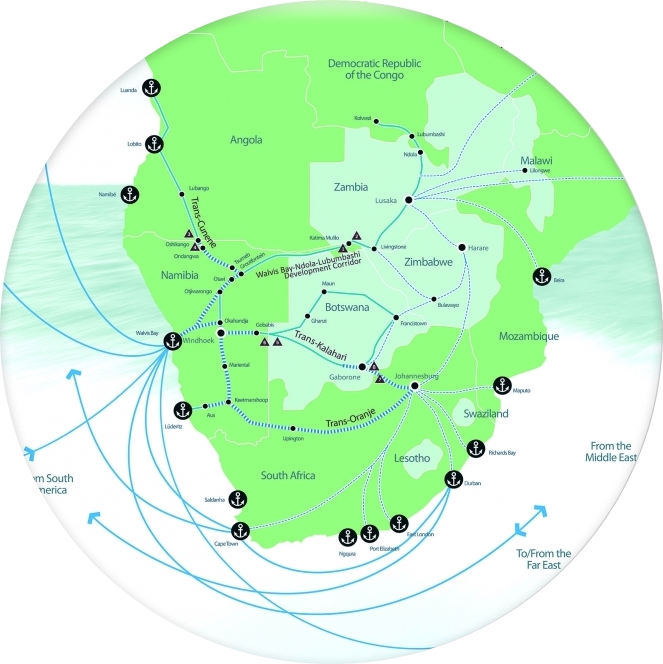
Since its inception, the WBCG has evolved from a national facilitator into a regional trade connector, expanding its presence into Lusaka (2005), Johannesburg (2008), and Lubumbashi (2012). This expansion reflects a commitment to not only supporting government-backed trade facilitation but also proactively increasing cargo volumes through targeted business development initiatives.

Through this integrated approach, the WBCG continues to position Namibia as a gateway for regional trade, fostering economic growth and connectivity across Southern Africa and beyond.

The WBCG’s branch offices, with the exception of the Brazil office which was closed, continue to facilitate business development through the logistics solutions that they provide to customers and decision makers in the SADC region as well as in the international market.

Strategic Support Functions


While the core mandate has always been to grow cargo volumes along the Walvis Bay Corridors, WBCG has strategically expanded its functions to support this goal:

  • Wellness and Health Services: Launched in 2003 as an HIV/AIDS Help Desk, the WBCG Wellness Service has grown into a leading health partner for the Ministry of Health & Social Services. With fixed roadside wellness clinics, and mobile clinics operating nationally, and plans for additional facilities, the service delivers HIV/AIDS and primary healthcare to mobile populations, including truck drivers, sex workers and surrounding communities. 

  • Namibia Logistics Hub Initiative: Originating from industry advocacy, this initiative is managed by the  WBCG as the implementing agency, with support from local, regional and international stakeholders, to position Namibia as a logistics and trade hub in Southern Africa.

  • Cross-Border Corridor Management Secretariats: The WBCG champions the establishment of Corridor Management Secretariats and regional Corridor Facilitation Committees to ensure seamless cross-border trade, transport, and passenger facilitation. Notable successes include the Trans Kalahari Corridor Secretariat (2007) and the Walvis Bay–Ndola–Lubumbashi Development Corridor Secretariat, with both secretariats aiming to reduce transit times and transport costs along regional and continental corridors.

Our Impact

Two Decades of Measurable Growth


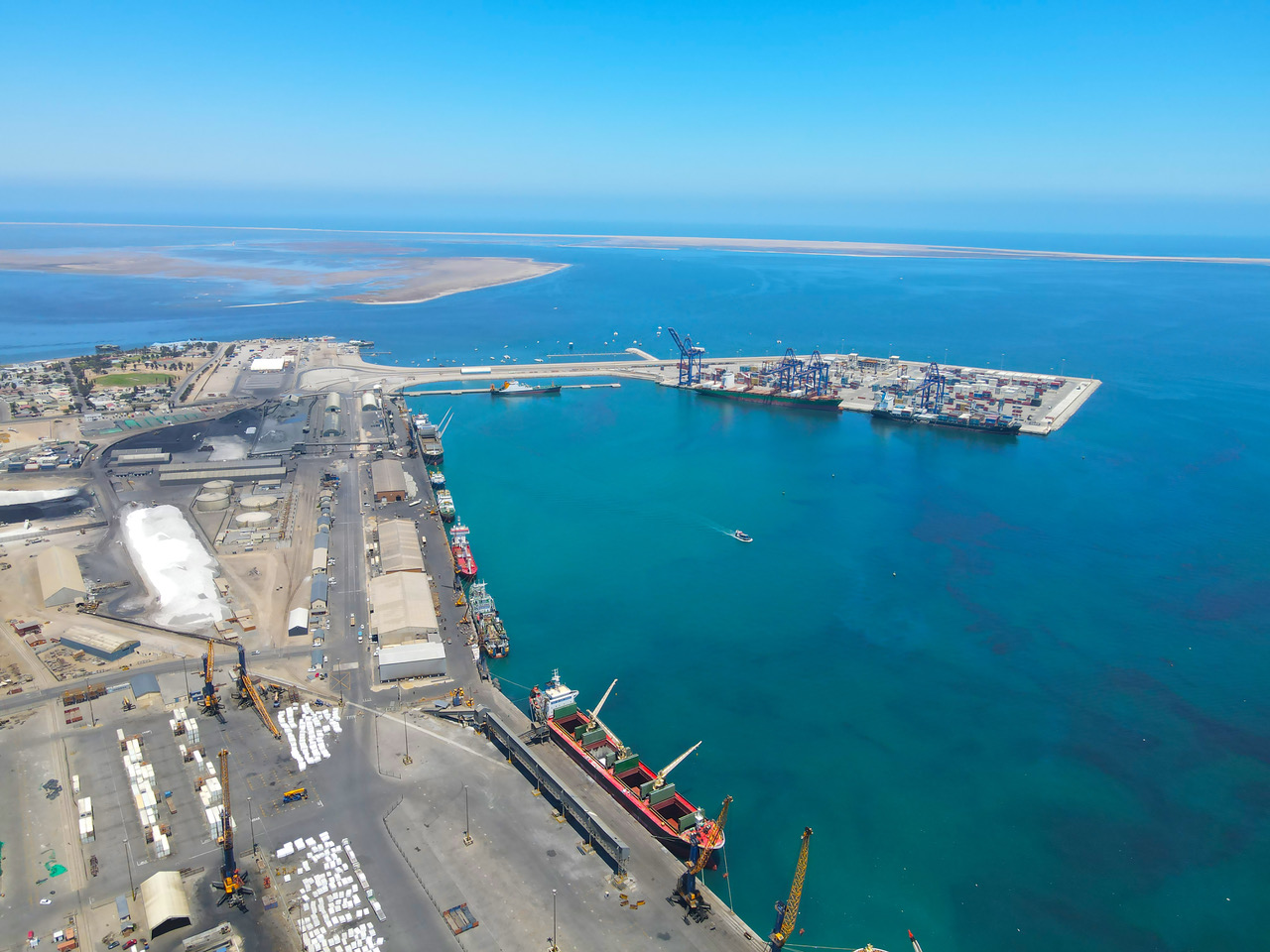
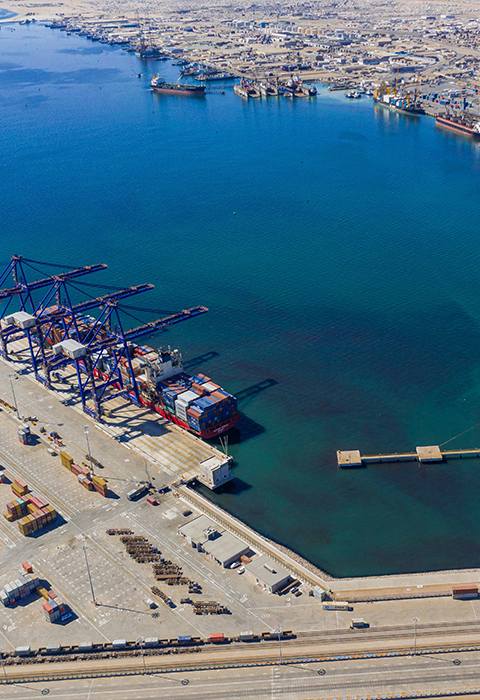
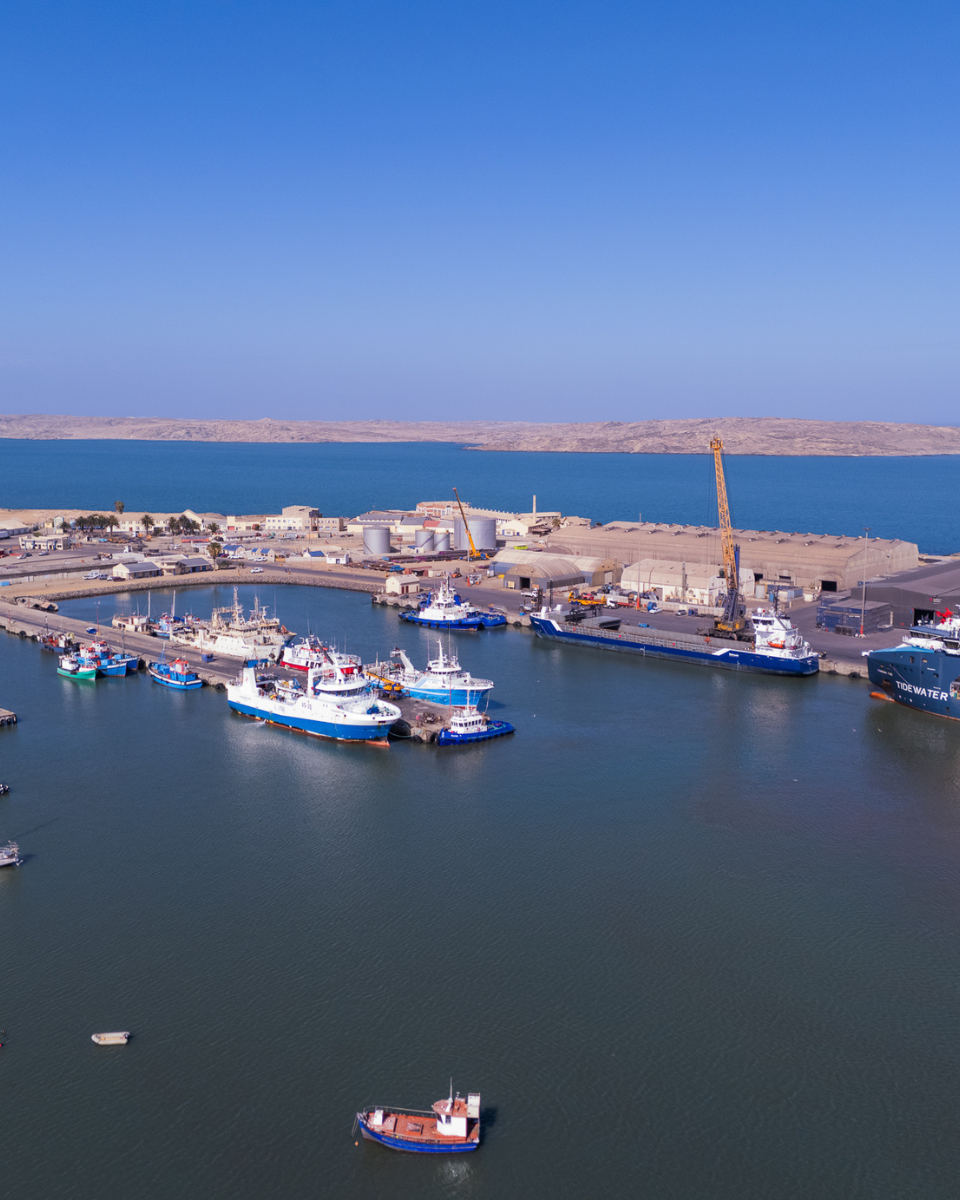
Over the past 25 years, cargo volumes through the ports of Walvis Bay and Lüderitz have grown from zero to over a million tonnes per annum. This growth reflects WBCG’s commitment to stakeholder engagement, corridor efficiency, and regional trade development.

The Covid-19 pandemic highlighted the importance of collaboration between governments and industries to maintain cargo flow, reinforcing the relevance of the Africa Continental Free Trade Area (AfCFTA) in harmonising policies and procedures across the continent.

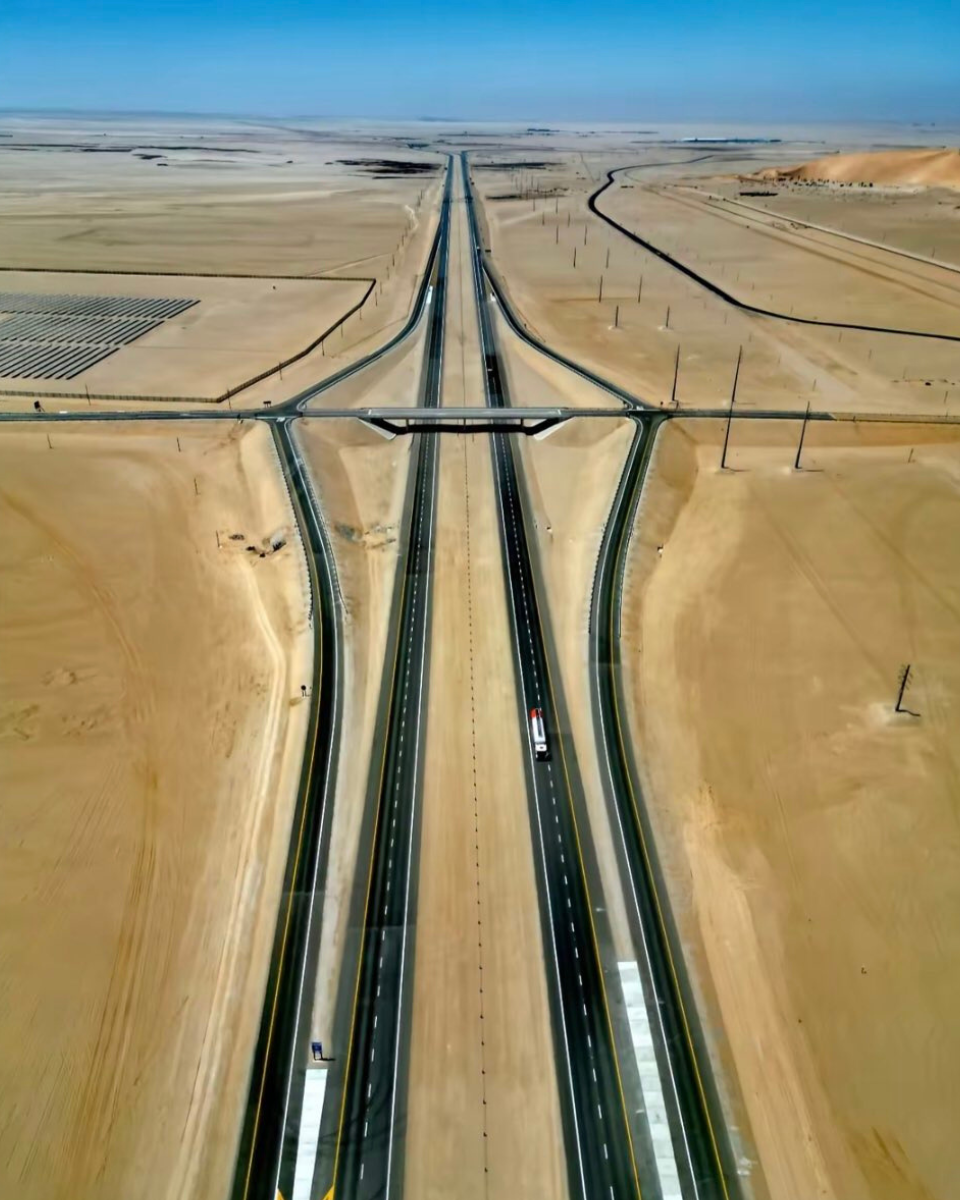
Reducing transit times, removing bottlenecks, and improving corridor efficiency through public–private partnerships remain at the core of WBCG’s strategy. Over the years, these efforts have strengthened Namibia’s position as a competitive trade gateway and enhanced the flow of goods across the SADC region.

WBCG extends its sincere gratitude to all stakeholders, public and private, national, regional and international, whose collaboration has made this success possible. Together, we continue to drive sustainable growth, economic integration, and shared prosperity across Southern Africa.